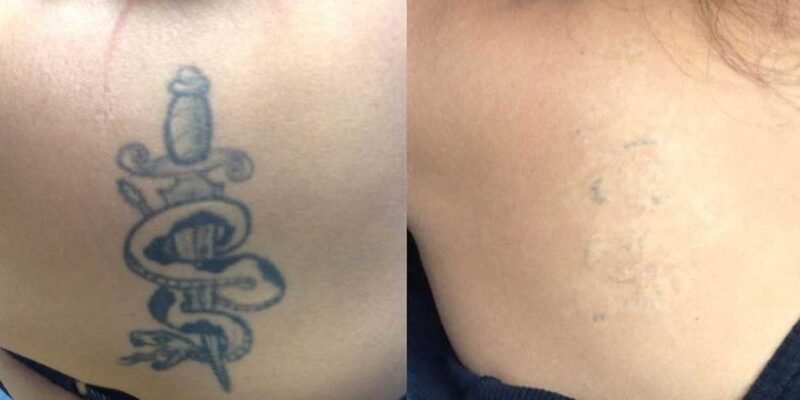
Introduction: The Reality of Tattoo Regret
We’ve all heard the statistics: somewhere between 20 and 30 percent of people with tattoos regret at least one of them. Whether it’s a name from a past relationship, a design that no longer reflects who you are, or simply a piece that didn’t turn out as expected, the desire to remove unwanted ink is increasingly common. But the question that keeps many people from taking action is whether safe and effective tattoo removal is actually possible, or if it’s just marketing hype.
The good news is that modern technology has made tattoo removal safer and more effective than ever before. Gone are the days of painful dermabrasion, scarring, and disappointing results. Today’s laser technology offers a legitimate solution for those looking to erase their ink regrets. However, understanding what’s realistic, what the process involves, and what results you can expect is crucial before making your decision.
How Modern Laser Technology Works
The gold standard for tattoo removal today is laser treatment, specifically Q-switched lasers and the newer picosecond lasers. These devices work by delivering ultra-short pulses of light that target the ink particles beneath your skin. The laser energy breaks down these particles into smaller fragments that your body’s immune system can naturally eliminate over time.
What makes this approach both safe and effective is its precision. The laser specifically targets the tattoo ink without causing significant damage to the surrounding skin tissue. Different wavelengths of light are used to target different ink colors, which is why professional clinics invest in multiple laser systems to handle the full spectrum of tattoo pigments.
The technology has advanced dramatically in recent years. Picosecond lasers, for instance, deliver energy in trillionths of a second, creating a photoacoustic effect that shatters ink particles more efficiently than older nanosecond technology. This means fewer treatments, less discomfort, and better results overall.
What Affects Your Removal Success
Not all tattoos are created equal when it comes to removal. Several factors determine how well your tattoo will respond to laser treatment. The age of the tattoo matters because older tattoos have already begun to fade naturally, making them easier to remove. The colors used also play a significant role, with black and dark blue inks responding best to treatment, while yellows, greens, and fluorescent colors can be more stubborn.
Your skin type and the depth of the ink also influence results. Professional tattoos typically go deeper into the skin than amateur ones, requiring more sessions to fully remove. Additionally, your overall health and immune system function affect how quickly your body can eliminate the fragmented ink particles.
Location matters too. Tattoos on areas with better circulation, like the chest and arms, tend to clear faster than those on extremities like ankles and fingers. When consulting with Boston’s leading tattoo removal clinic, these factors will all be assessed to give you realistic expectations about your specific situation.
The Treatment Process and What to Expect
Tattoo removal isn’t a one-and-done procedure. Most tattoos require multiple sessions spaced several weeks apart to allow your body time to process and eliminate the broken-down ink particles. Small, simple tattoos might need 4-6 sessions, while larger, more complex pieces could require 10 or more treatments.
Each session typically lasts only a few minutes, though the discomfort level varies by individual. Most people describe the sensation as similar to getting snapped with a rubber band repeatedly. Topical numbing creams and cooling devices help minimize discomfort during treatment.
After each session, you’ll experience some redness, swelling, and possibly blistering, which are normal healing responses. Proper aftercare, including keeping the area clean and protected from sun exposure, is essential for optimal results and preventing complications.
Safety Considerations and Potential Risks
When performed by qualified professionals using FDA-approved equipment, laser tattoo removal is generally very safe. The risk of scarring is minimal when proper protocols are followed and aftercare instructions are adhered to. However, some temporary side effects like hyperpigmentation or hypopigmentation can occur, particularly in darker skin tones.
The key to safety is choosing a reputable clinic with experienced technicians who understand how to adjust laser settings for different skin types and tattoo characteristics. Cutting corners by going to inexperienced providers or unlicensed facilities significantly increases your risk of complications.
Is Complete Removal Really Possible?
The honest answer is that complete removal is possible for many tattoos, but not guaranteed for all. Black ink tattoos typically achieve the best clearance rates, often fading to the point where they’re completely invisible. Multi-colored tattoos, especially those with resistant pigments, may fade significantly but leave slight traces.
Most people are thrilled with their results even if microscopic amounts of ink remain, as the tattoo becomes essentially invisible to the naked eye. Setting realistic expectations from the start, based on your specific tattoo characteristics, helps ensure satisfaction with the outcome.
Conclusion: A Legitimate Solution for Unwanted Ink
Safe and effective tattoo removal is not only possible but has become increasingly accessible thanks to advances in laser technology. While the process requires patience, multiple sessions, and proper aftercare, the results can be truly life-changing for those burdened by tattoo regret. By choosing experienced professionals, understanding the factors that affect your results, and maintaining realistic expectations, you can successfully erase unwanted ink and move forward with confidence. The technology exists, the safety profile is strong, and countless people have already achieved the fresh start they were seeking.